If your display stays stuck in portrait mode even after turning your phone sideways, you may be wondering how to rotate screen on iPhone properly. Screen rotation is designed to switch automatically between portrait and landscape, but certain settings or app limitations can prevent it from working.
Understanding how rotation works helps you quickly identify whether the issue is caused by orientation lock, app restrictions, or a temporary system glitch. In this guide, you will learn the fastest way to rotate screen on iPhone, why some apps refuse to rotate, and how to fix rotation issues without losing data.
1. Why Your iPhone Screen Won’t Rotate When You Expect It To
If your display refuses to switch to landscape mode, there are usually a few simple reasons behind it. Understanding these causes makes it easier to fix how to rotate screen on iPhone without unnecessary troubleshooting.
The most common reasons include:
- Portrait Orientation Lock is enabled
- The app you are using does not support landscape mode
- A temporary software glitch
- Motion sensor issues
Portrait Orientation Lock is the primary reason rotation fails. When enabled, your screen stays locked in portrait mode even if you turn your phone sideways.
Some apps are designed to work only in portrait mode. For example, certain social media or banking apps may not support rotation at all. In that case, the issue is not with your phone but with the app itself.
Occasionally, a minor system glitch can interfere with rotation. Restarting the device often resolves temporary sensor-related problems.
2. The Fastest Way to Rotate Screen on iPhone
If you need a quick fix, follow these steps to enable rotation immediately.
Open Control Center
On iPhones with Face ID, swipe down from the top-right corner of the screen. On models with a Home button, swipe up from the bottom edge.
This opens Control Center, where rotation settings are located.
Turn Off Portrait Orientation Lock
Look for the lock icon with a circular arrow around it. If the icon is highlighted, Portrait Orientation Lock is turned on. Tap it once to disable it.
Once disabled, your screen is free to rotate automatically when you turn the device.
Rotate Your iPhone Sideways
Now, physically turn your iPhone to landscape position.
If the app supports rotation, the screen should immediately switch orientation.
These steps provide the fastest solution when figuring out how to rotate screen on iPhone in everyday situations.
3. Why Some Apps Still Won’t Rotate
Even after turning off Portrait Orientation Lock, you might notice that certain apps still refuse to rotate. This can be confusing, especially when you already understand how to rotate screen on iPhone properly.
The reason is simple: not all apps are designed to support landscape mode. Some developers intentionally lock their apps in portrait orientation to maintain layout consistency, readability, or security. Banking apps, short-form video apps, and certain social platforms often restrict rotation.
In other cases, rotation may work in some sections of the app but not others. For example, a video player inside the app may rotate to landscape, while the main feed remains fixed in portrait.
If rotation works in Safari or Photos but not in a specific app, the limitation is likely built into that app rather than your device. Updating the app or reinstalling it may help if the issue is caused by a temporary bug.
>>> Read more: How to Compress a Video on iPhone 2026: Easy Ways to Reduce File Size Without Losing Quality
4. How to Rotate Screen on iPhone Home Screen
Screen rotation on the Home Screen works slightly differently depending on your iPhone model.
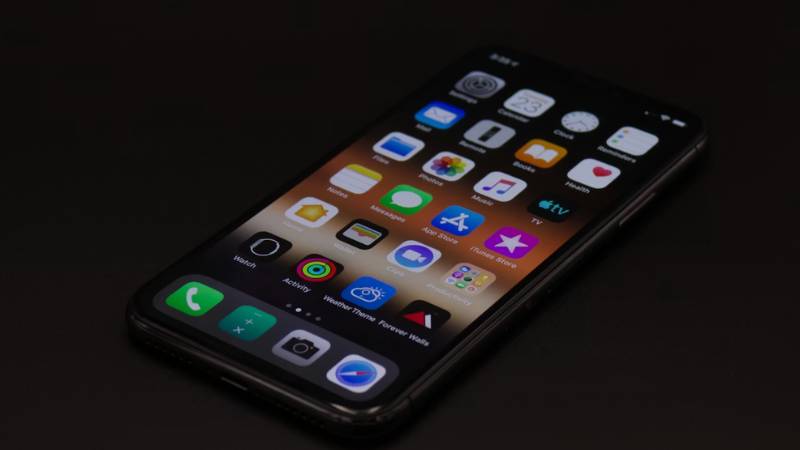
On most standard iPhone models, the Home Screen does not rotate into landscape mode. Even if Portrait Orientation Lock is turned off, the layout remains vertical by design.
However, certain larger models, particularly older Plus versions, supported Home Screen rotation when turned sideways. If you are using a model that supports this feature, follow these steps:
- Turn off Portrait Orientation Lock in Control Center.
- Return to the Home Screen.
- Rotate your iPhone sideways.
If the layout does not rotate, your specific model likely does not support Home Screen landscape mode.
Understanding this distinction prevents unnecessary troubleshooting when learning how to rotate screen on iPhone. Not every screen is meant to rotate, and knowing which ones should helps you identify real issues versus normal design behavior.
5. Rotate Screen vs Auto-Rotate: What’s the Difference?
When people search for how to rotate screen on iPhone, they often confuse “rotate screen” with “auto-rotate.” While they are related, they are not exactly the same.
Rotate screen refers to the action of physically turning your iPhone sideways and expecting the display to switch orientation.
Auto-rotate is the feature that allows your screen to adjust automatically based on how you hold your device. This function works only when Portrait Orientation Lock is turned off.
If Portrait Orientation Lock is enabled, auto-rotate is disabled. Your screen will stay fixed in portrait mode even if you rotate the device.
In short:
- Auto-rotate is the system setting
- Rotate screen is the physical action
- Orientation Lock overrides auto-rotate
Understanding this difference makes troubleshooting much easier when rotation does not work as expected.
6. How to Fix Rotation Issues Without Losing Data
If turning off Orientation Lock does not solve the problem, you can try these safe troubleshooting steps. None of these will erase your data.
- Restart your iPhone: A simple restart can fix temporary sensor glitches that affect how to rotate screen on iPhone.
- Check for iOS updates: Go to Settings > General > Software Update. Installing the latest version may fix rotation bugs.
- Close and reopen the app: If rotation fails in one specific app, force close it and reopen. The issue may be app-related rather than system-wide.
- Reset all settings (optional): If the issue persists, you can go to: Settings > General > Transfer or Reset iPhone > Reset > Reset All Settings
This does not delete personal data. It only resets system preferences such as Wi-Fi passwords and display settings.
If rotation still does not work after these steps, the issue could be related to the internal motion sensor. In that case, professional technical support may be required.
Conclusion
Knowing how to rotate screen on iPhone helps you avoid frustration when your display refuses to switch orientation. Most rotation issues are caused by Portrait Orientation Lock or app limitations rather than serious device problems.
By understanding how auto-rotate works and applying simple troubleshooting steps, you can restore normal screen behavior quickly and safely.
FAQs
Why does my iPhone screen stay in portrait mode?
Portrait Orientation Lock is likely enabled. Disable it in Control Center to allow auto-rotation.
Why won’t my screen rotate in certain apps?
Some apps do not support landscape mode by design. This is a limitation of the app, not your phone.
Can a damaged sensor stop screen rotation?
Yes. If the internal motion sensor is malfunctioning, rotation may stop working even when settings are correct.
Does resetting my iPhone fix rotation problems?
Restarting often fixes minor glitches. Resetting all settings can help if the issue is configuration-related, but a full factory reset is rarely necessary.